Unpacking the Universe: The Making of an Exhibition
Feature Film, 108 minutes (2022)
Episodic Video Series (2022)
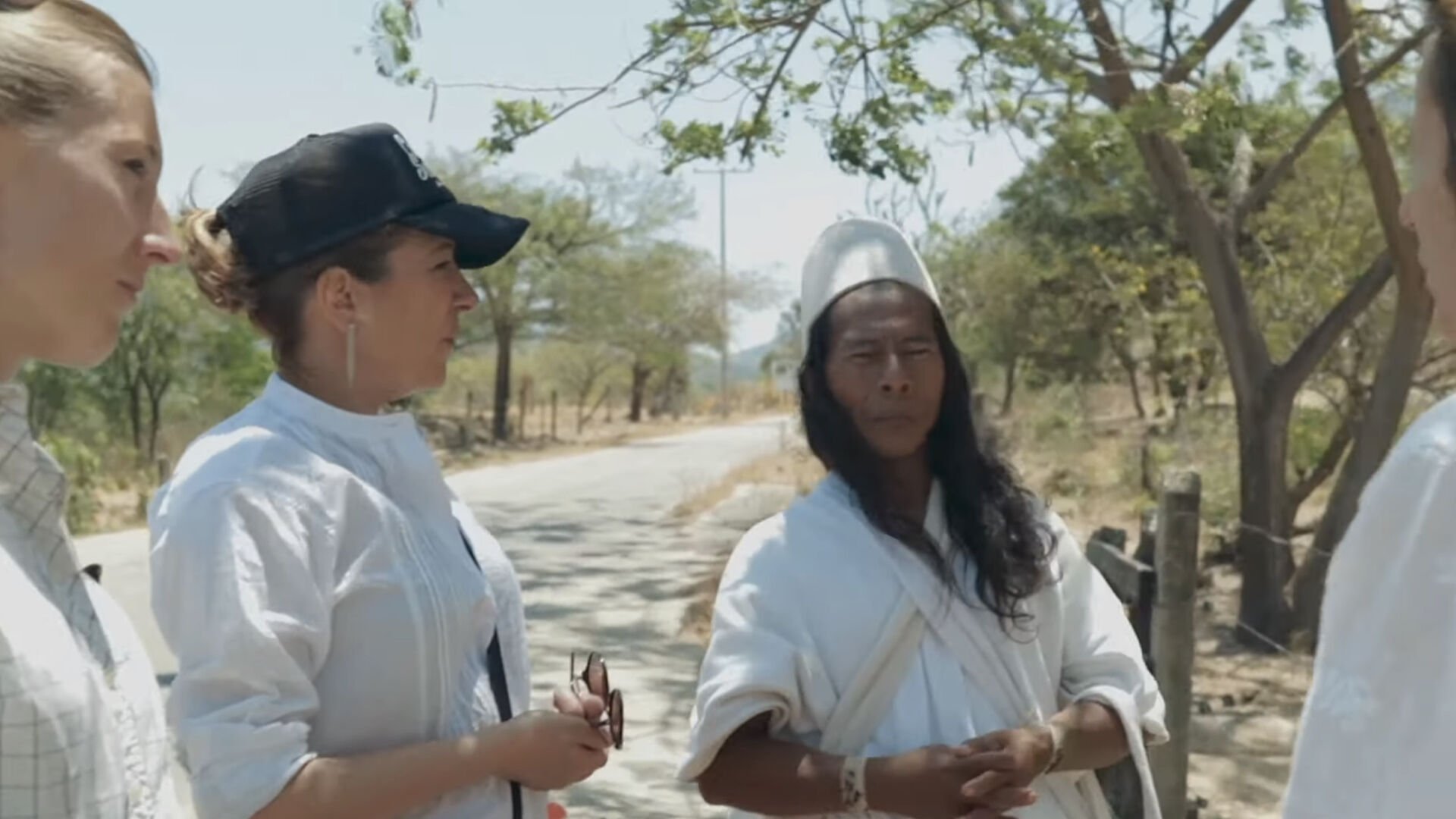
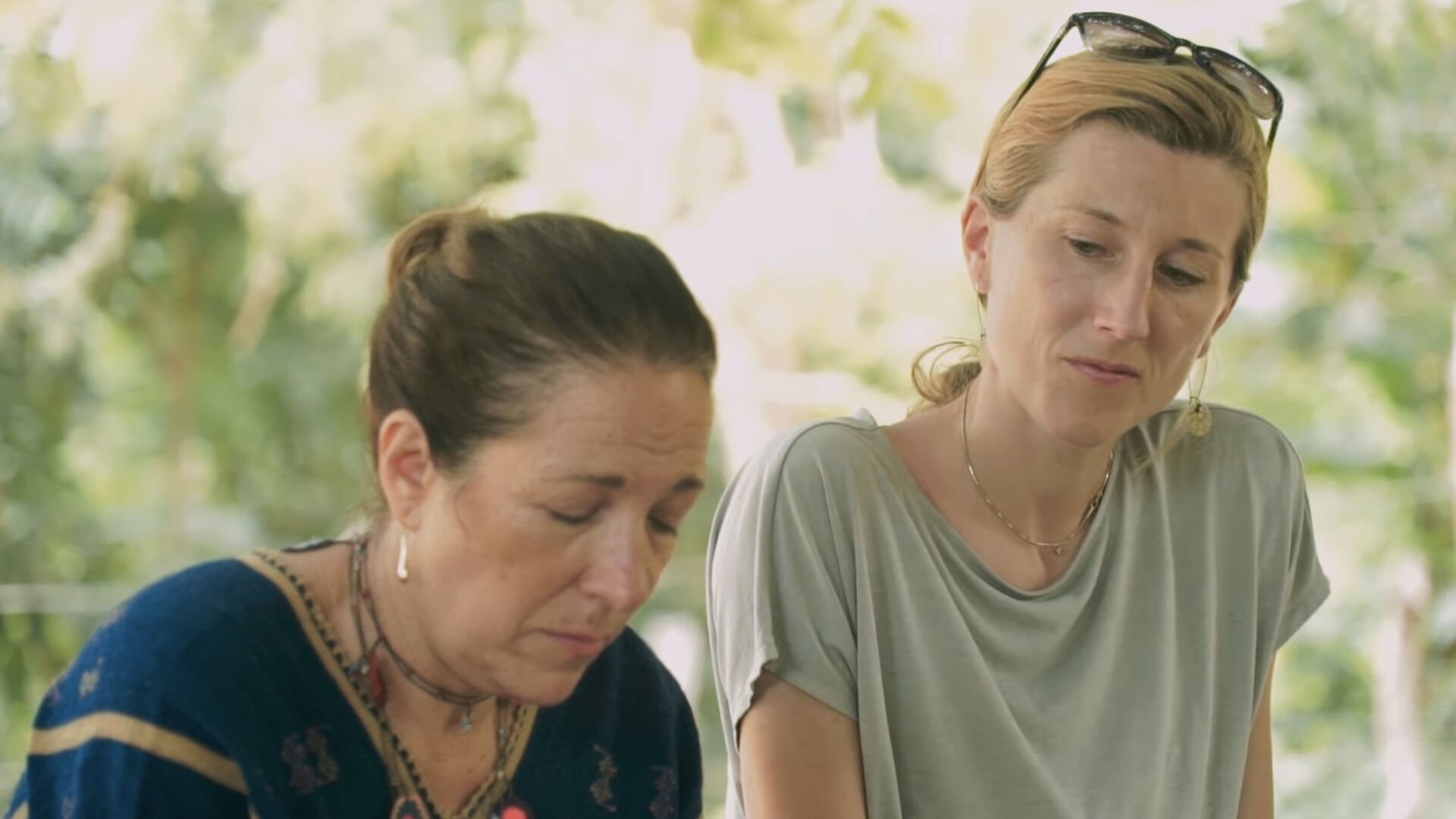
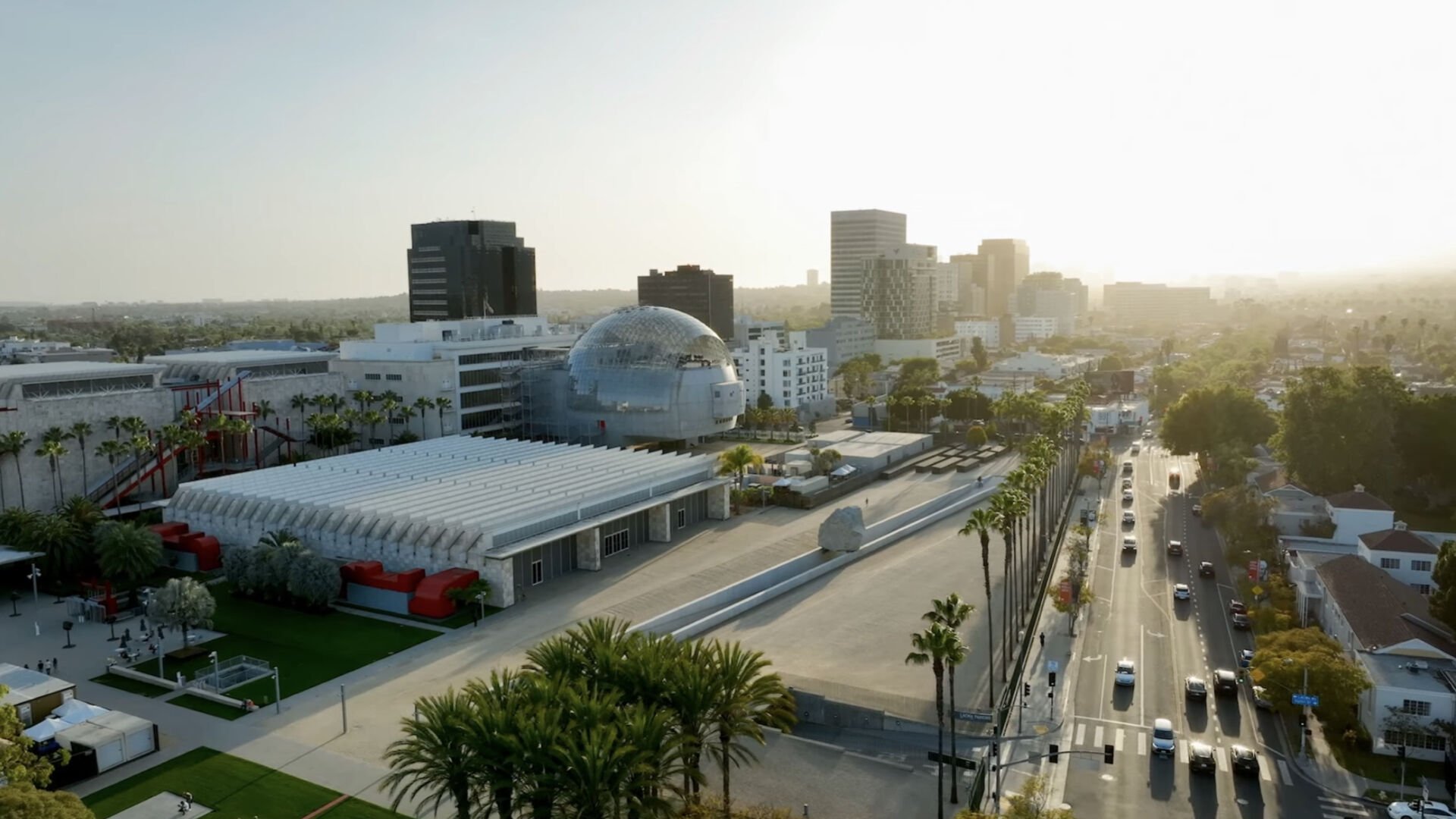
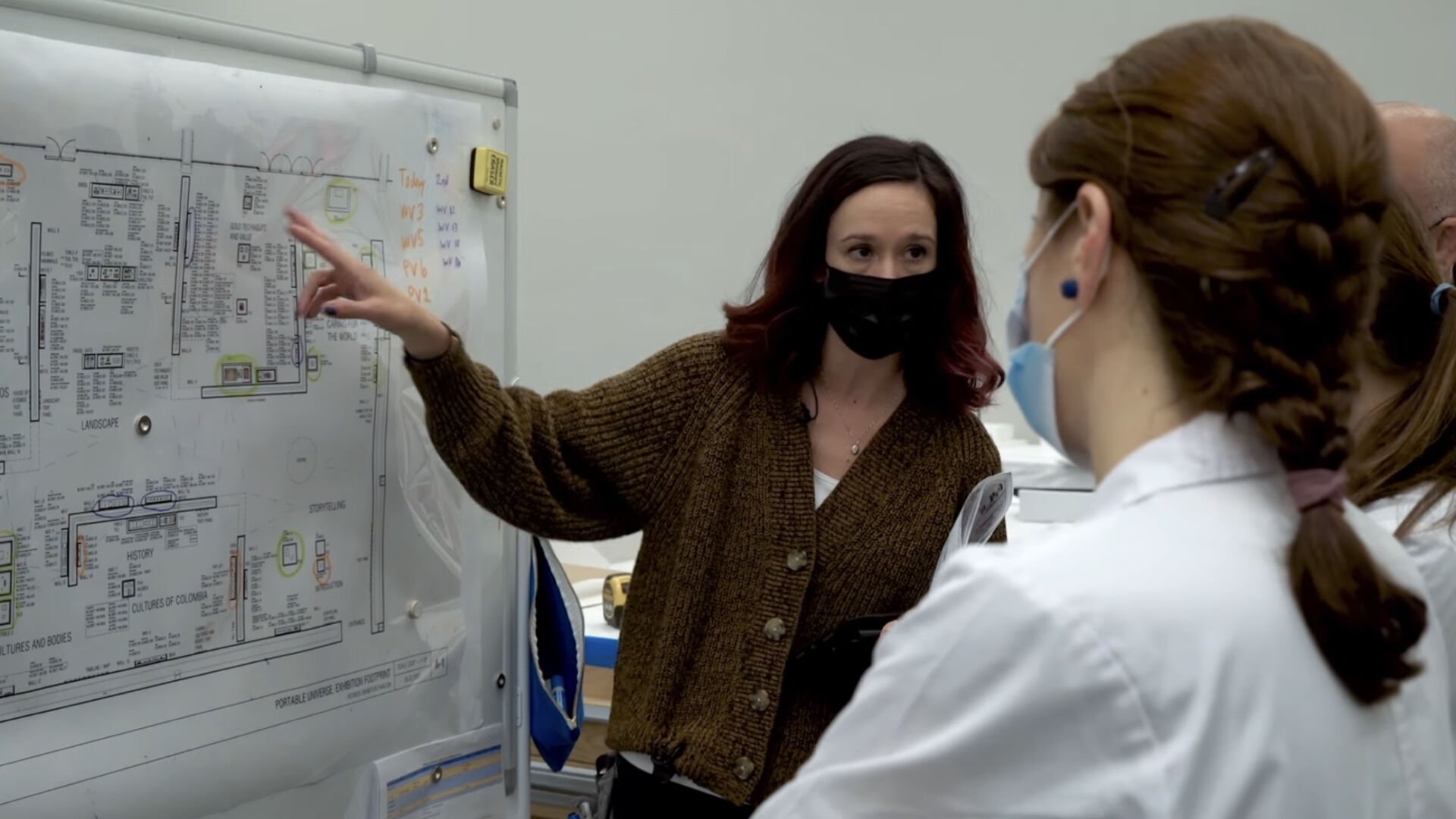
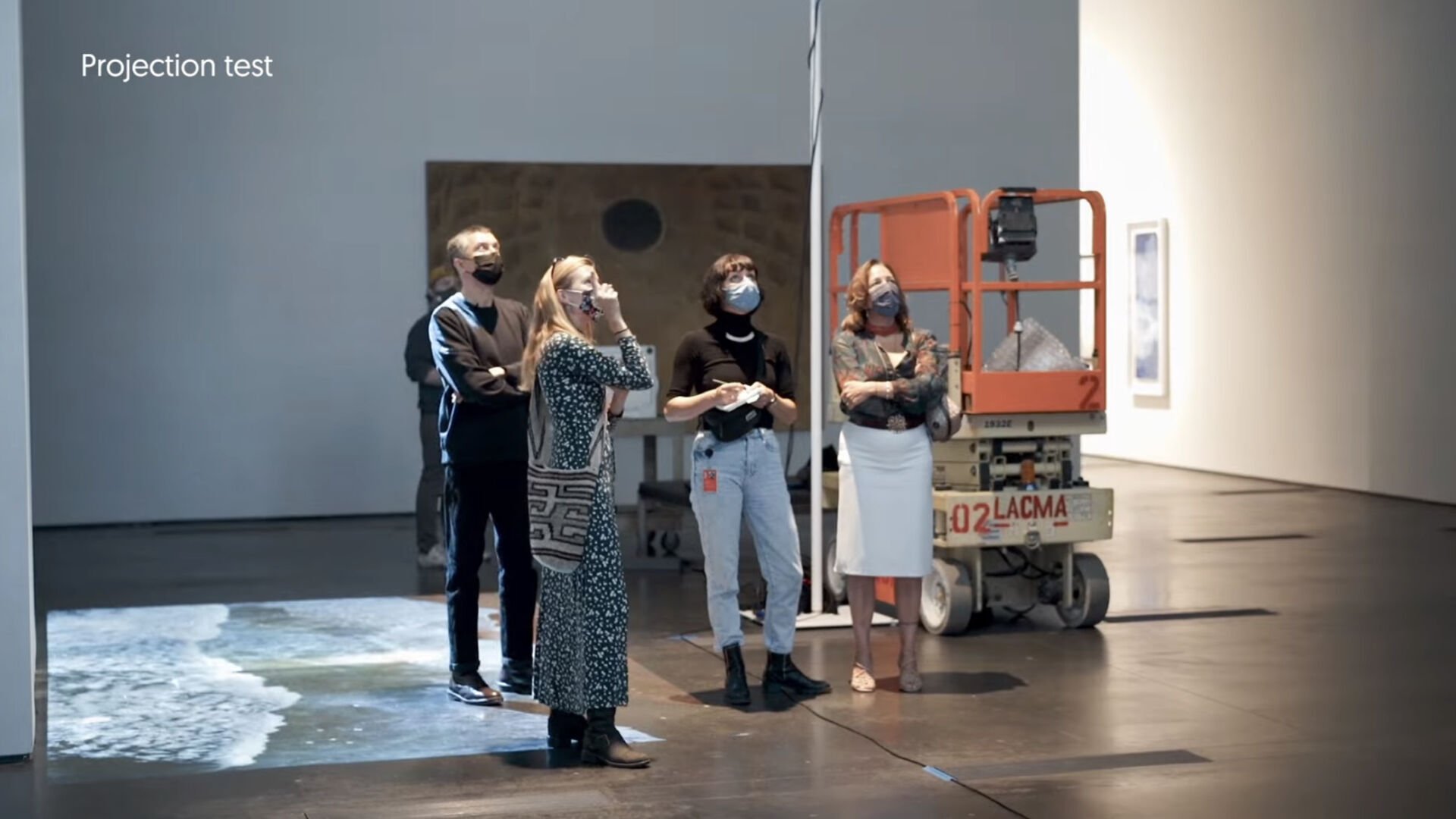
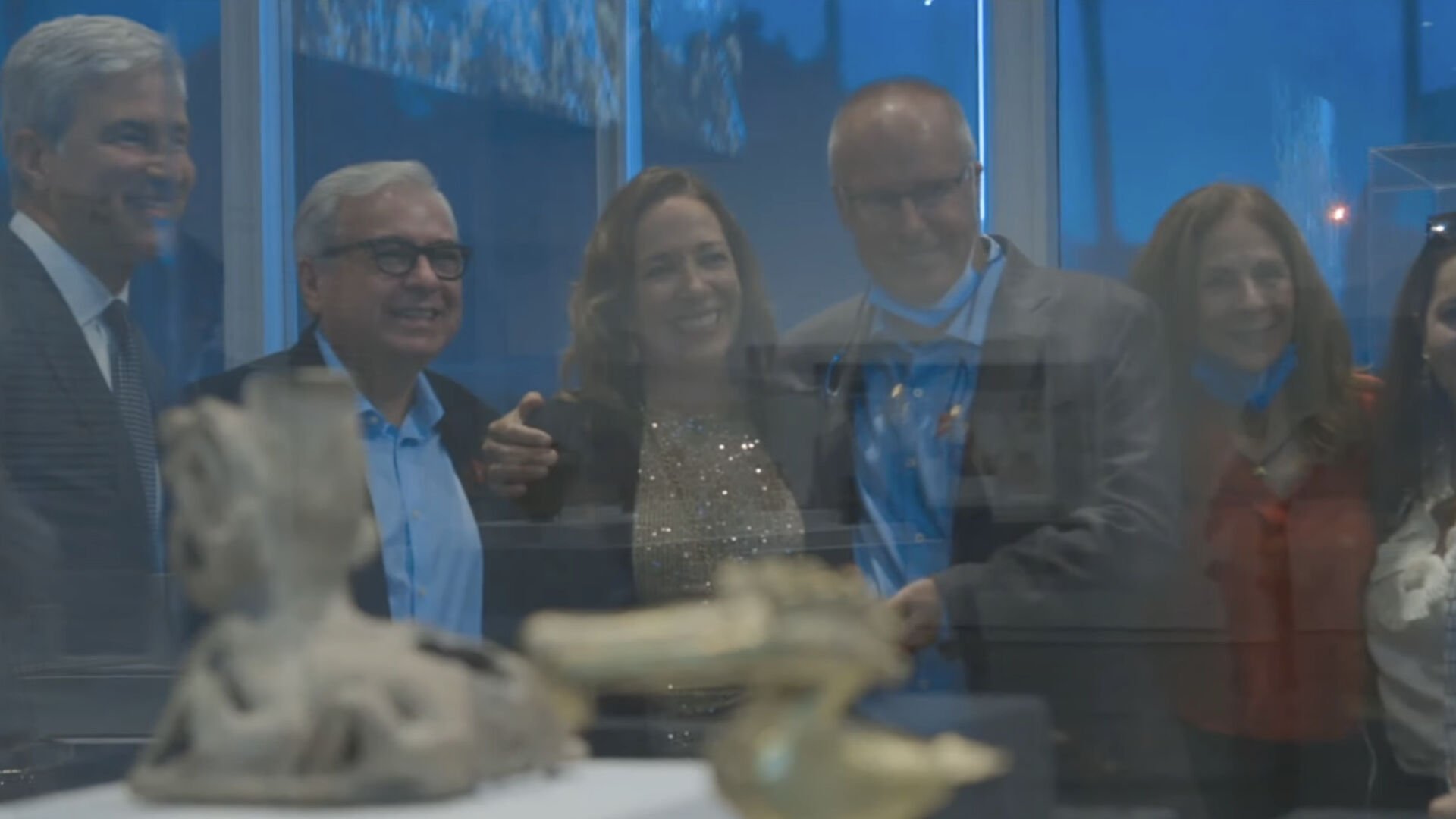
Unpacking the Universe: The Making of an Exhibition is a documentary production that follows the six-year journey of LACMA’s curators Diana Magaloni and Julia Burtenshaw researching, developing, and installing The Portable Universe / El Universo en tus Manos.
This video series offers a profound look at how museums can decolonize their approach to ancient artifacts by listening to contemporary Indigenous communities, bridging contemporary environmental/social issues with ancient global worldviews.
Here is a summary of the core themes, narrative arc, and purpose of the video series:
1. Re-framing Indigenous Art & Knowledge
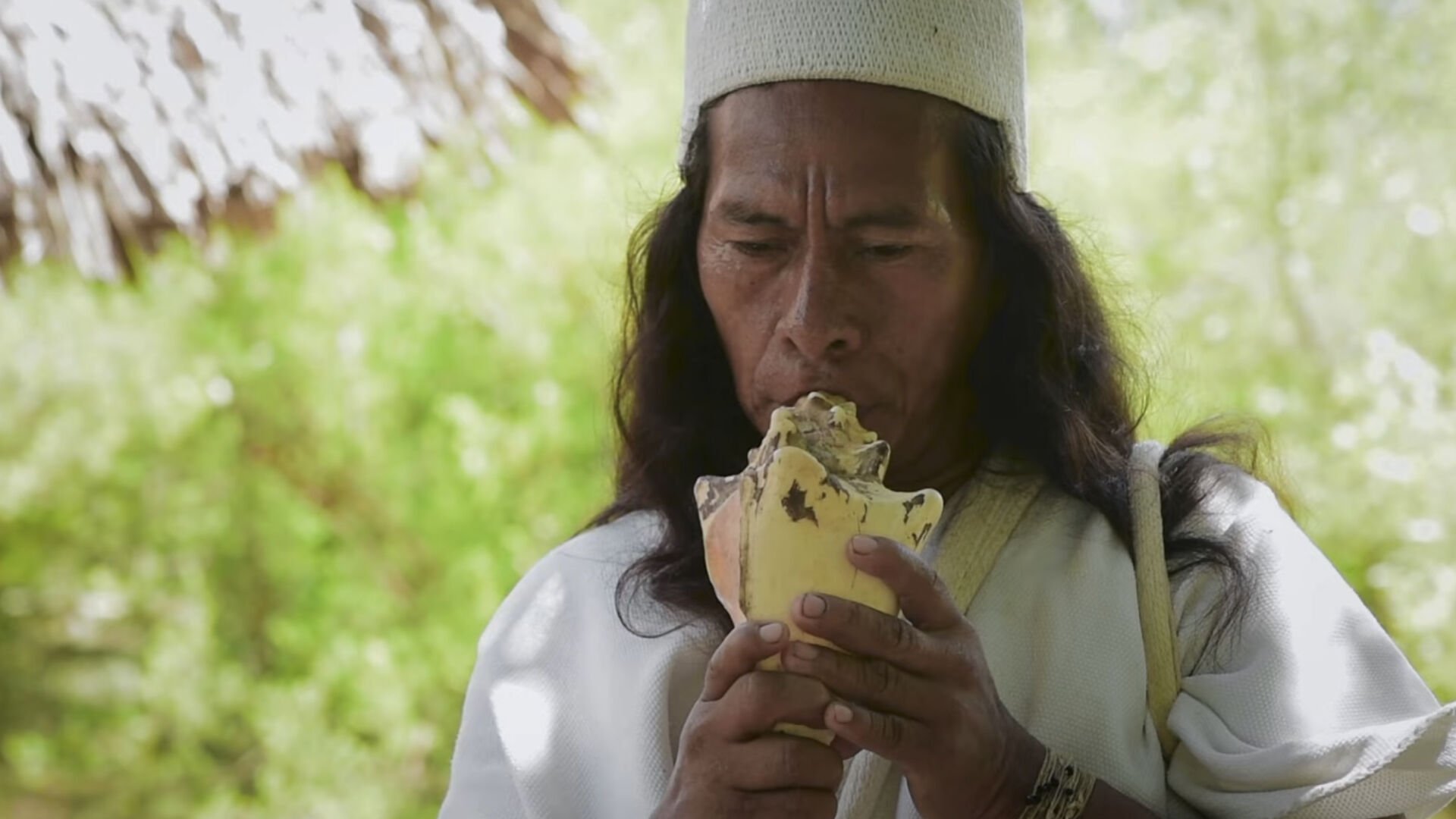
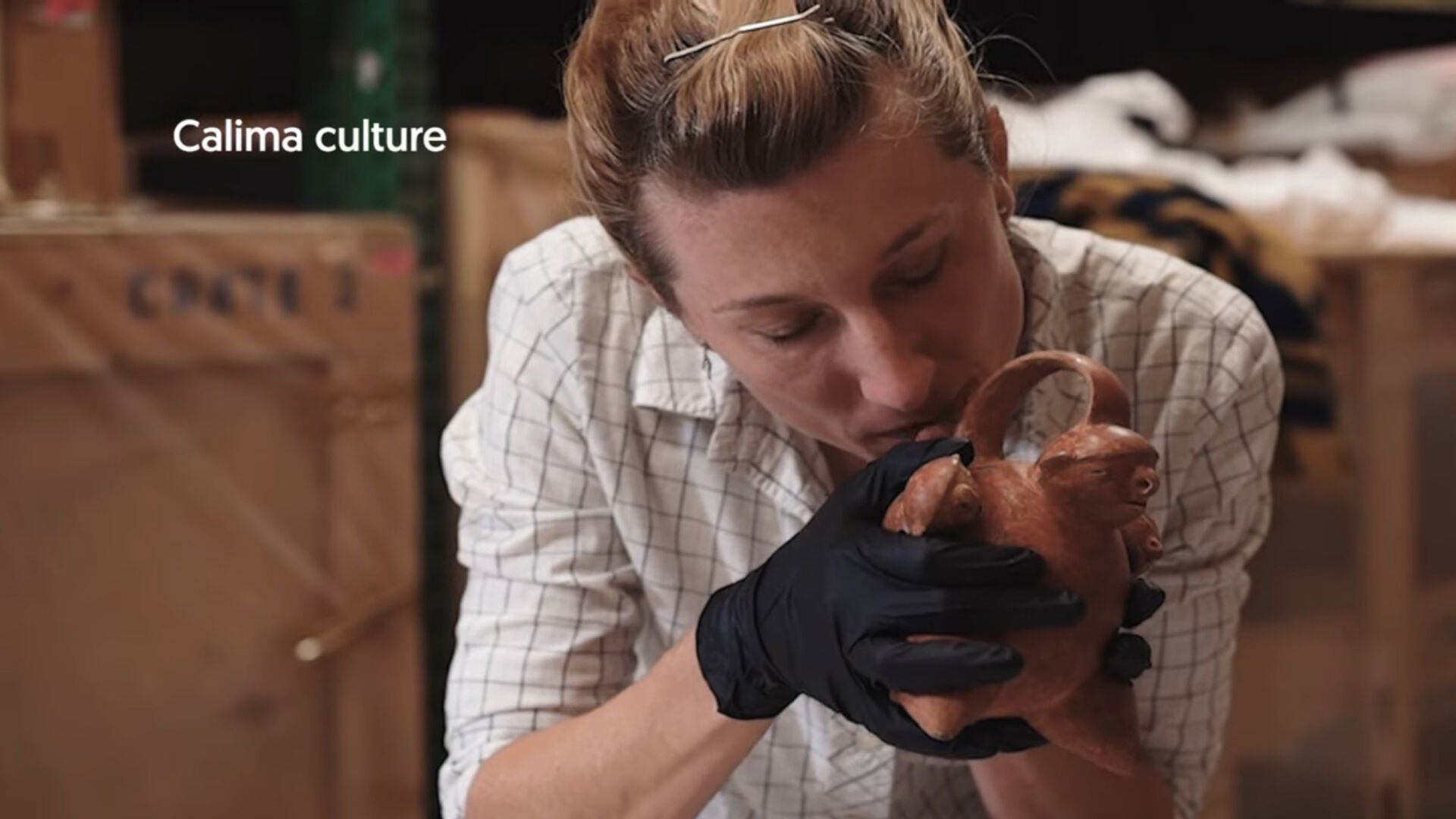
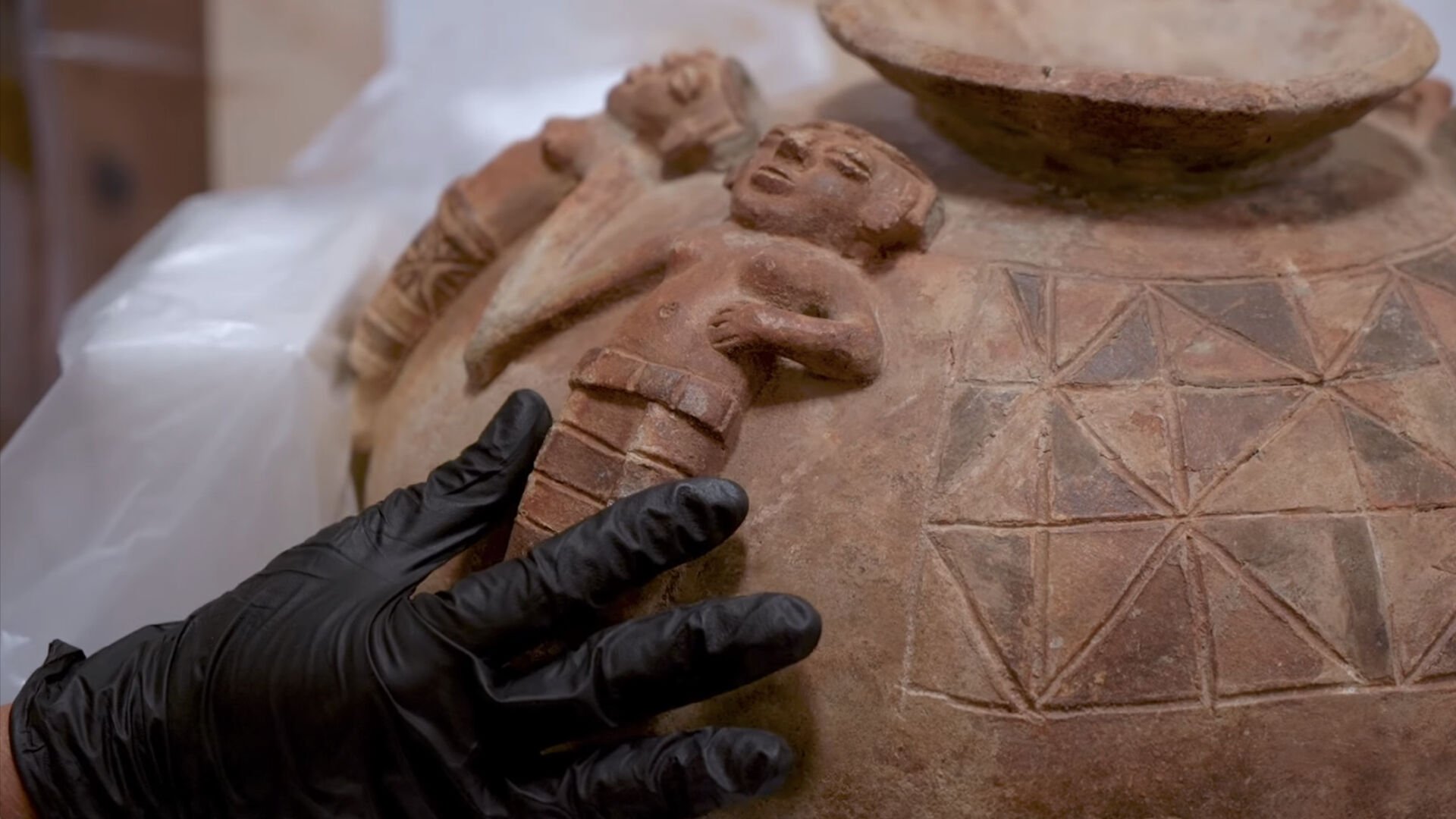
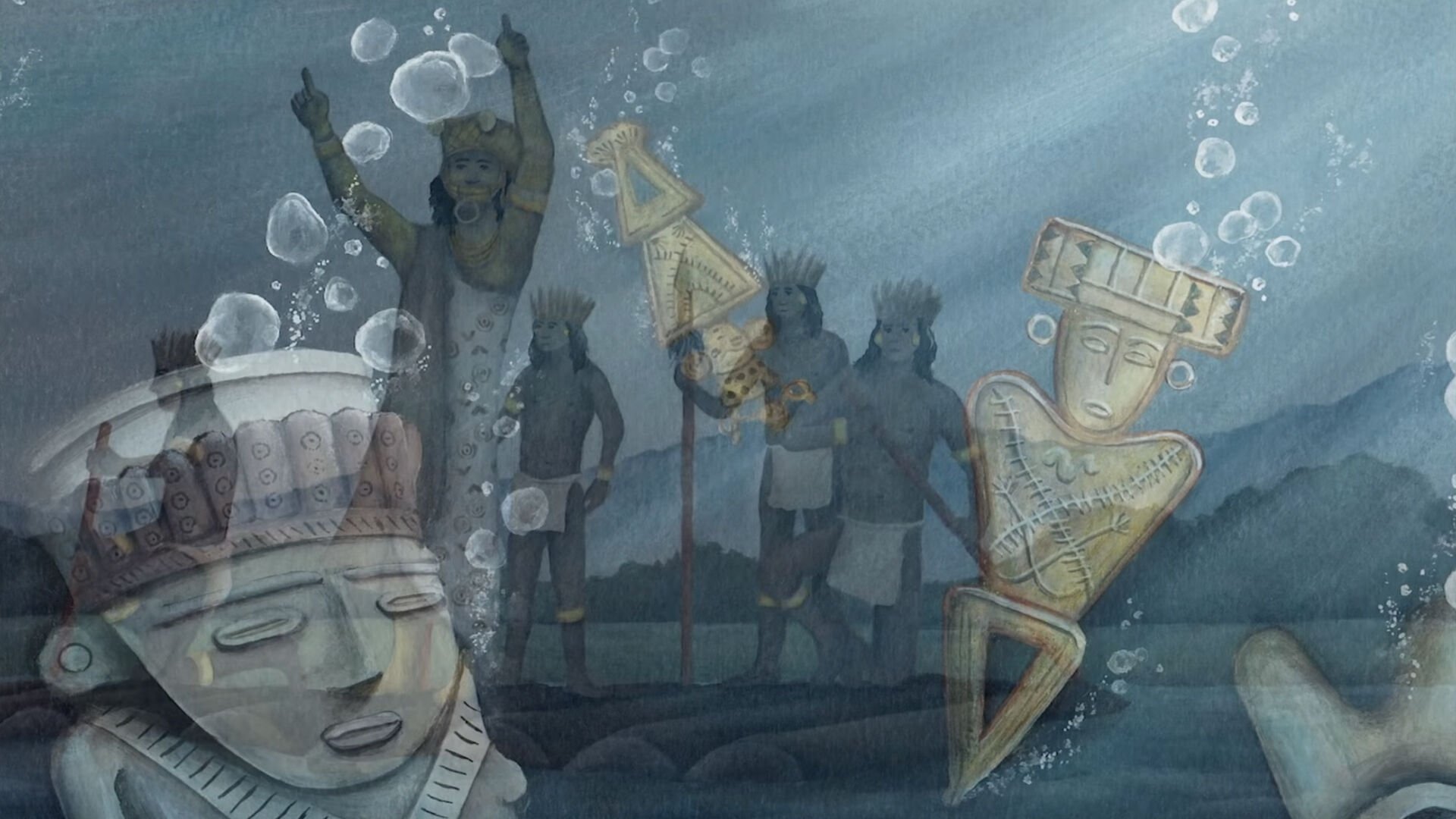
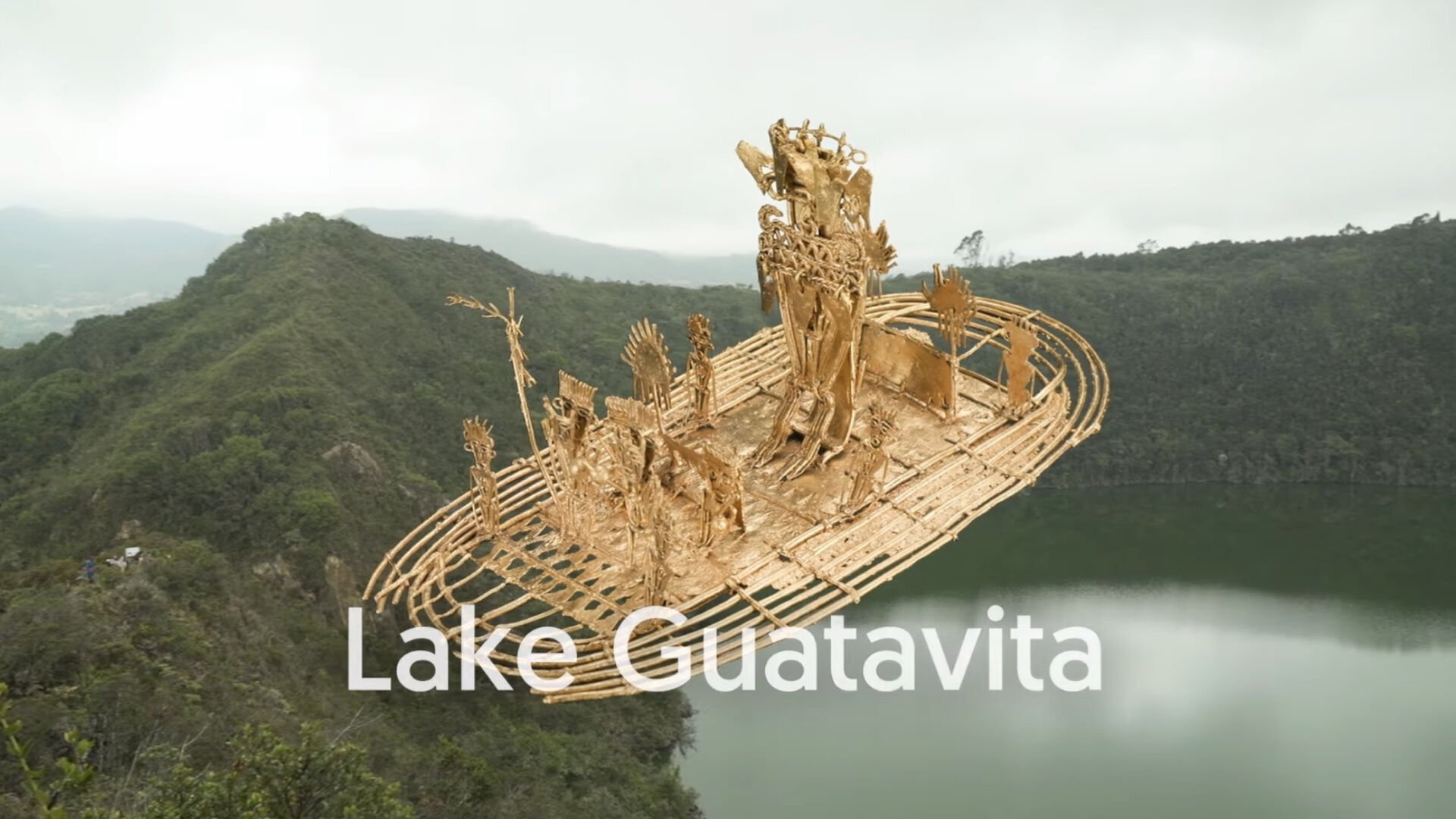
A central theme of the series is challenging traditional Western museum practices. Instead of treating ancient Colombian artifacts (like gold work, ceramics, and textiles) purely as historical data or static aesthetic objects, the series explores how these items are considered living things with their own spirit, carrying vital knowledge about humanity's relationship with nature.
2. Deep Collaboration with the Arhuaco Community
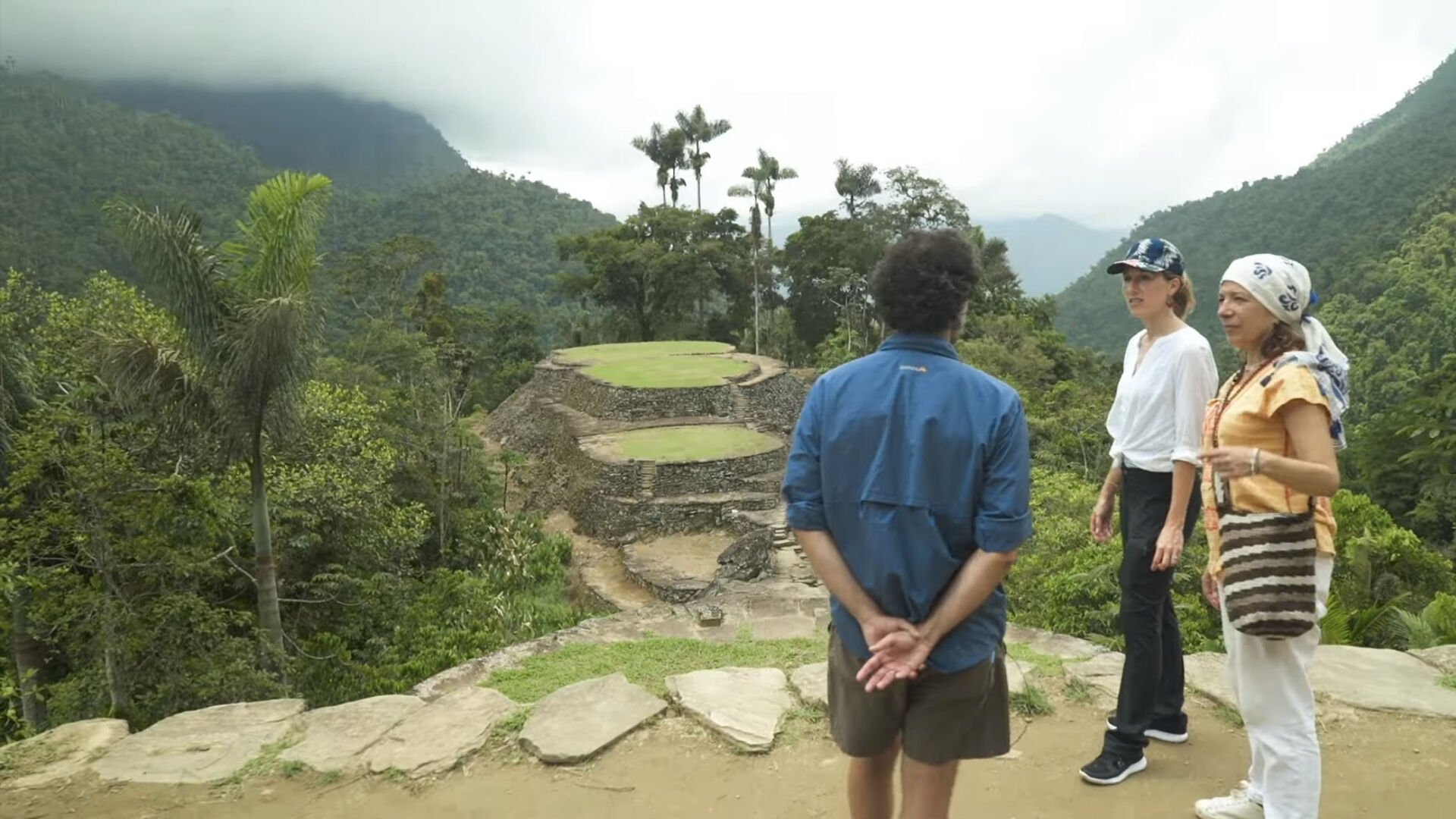
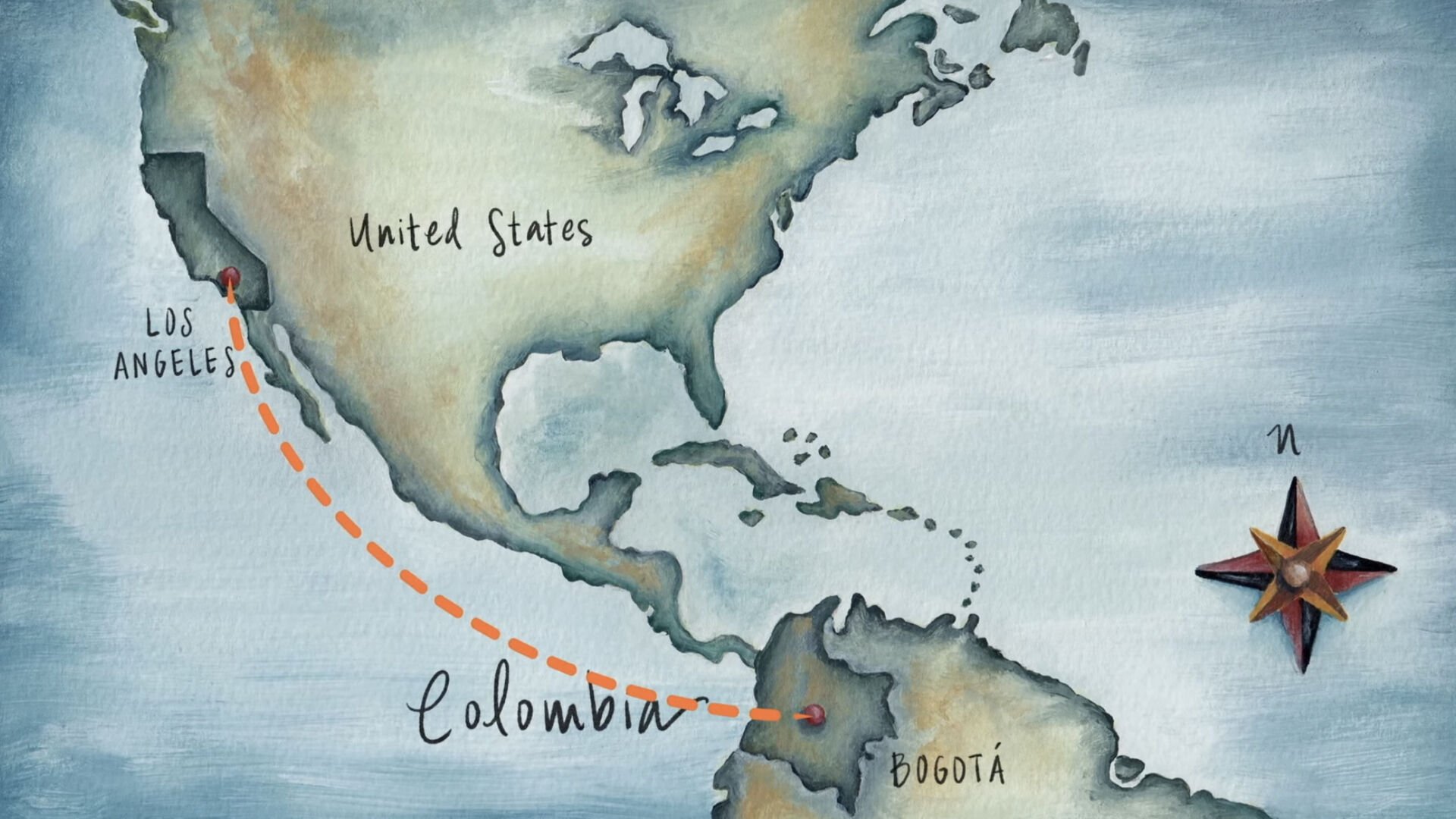
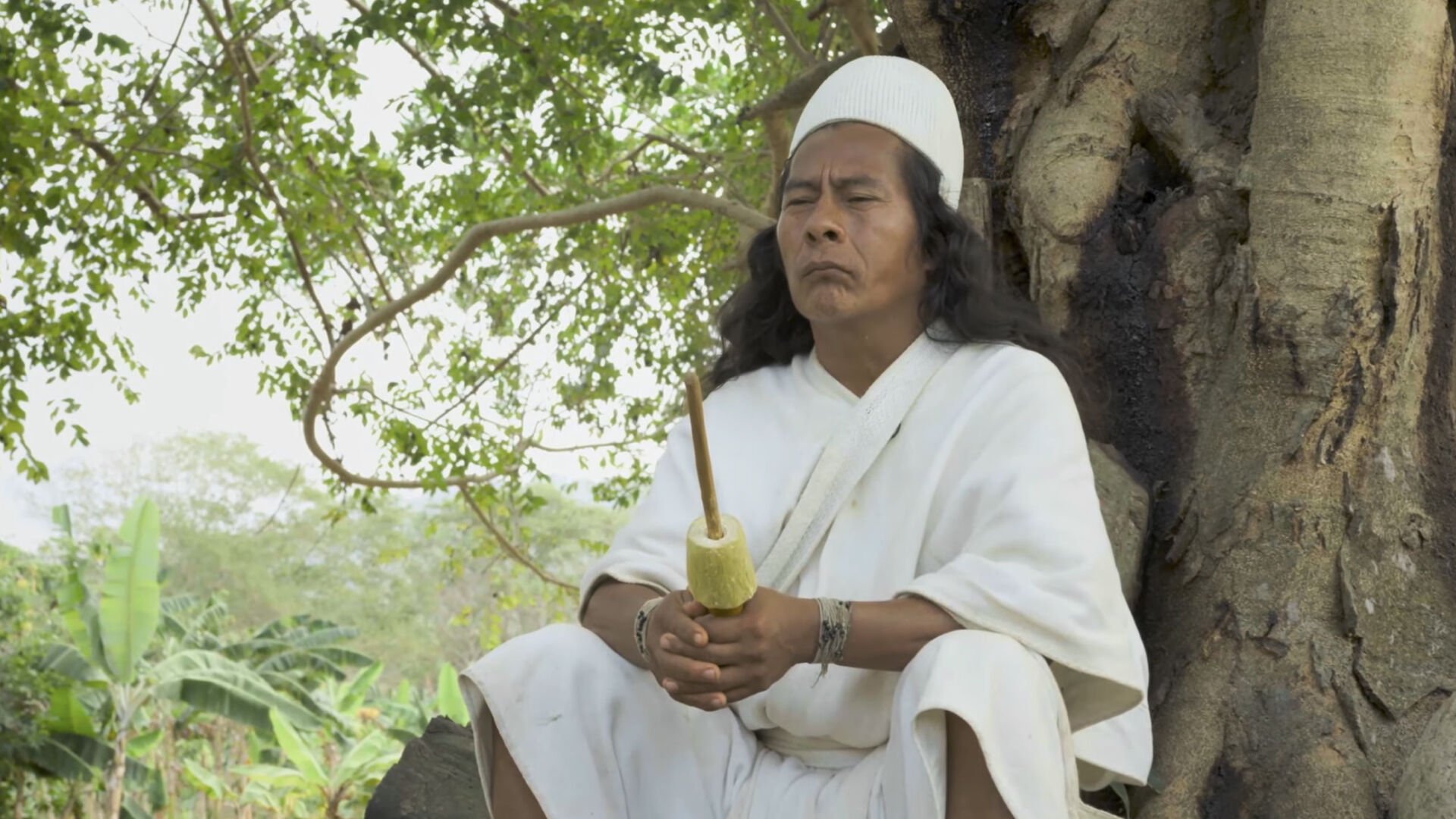
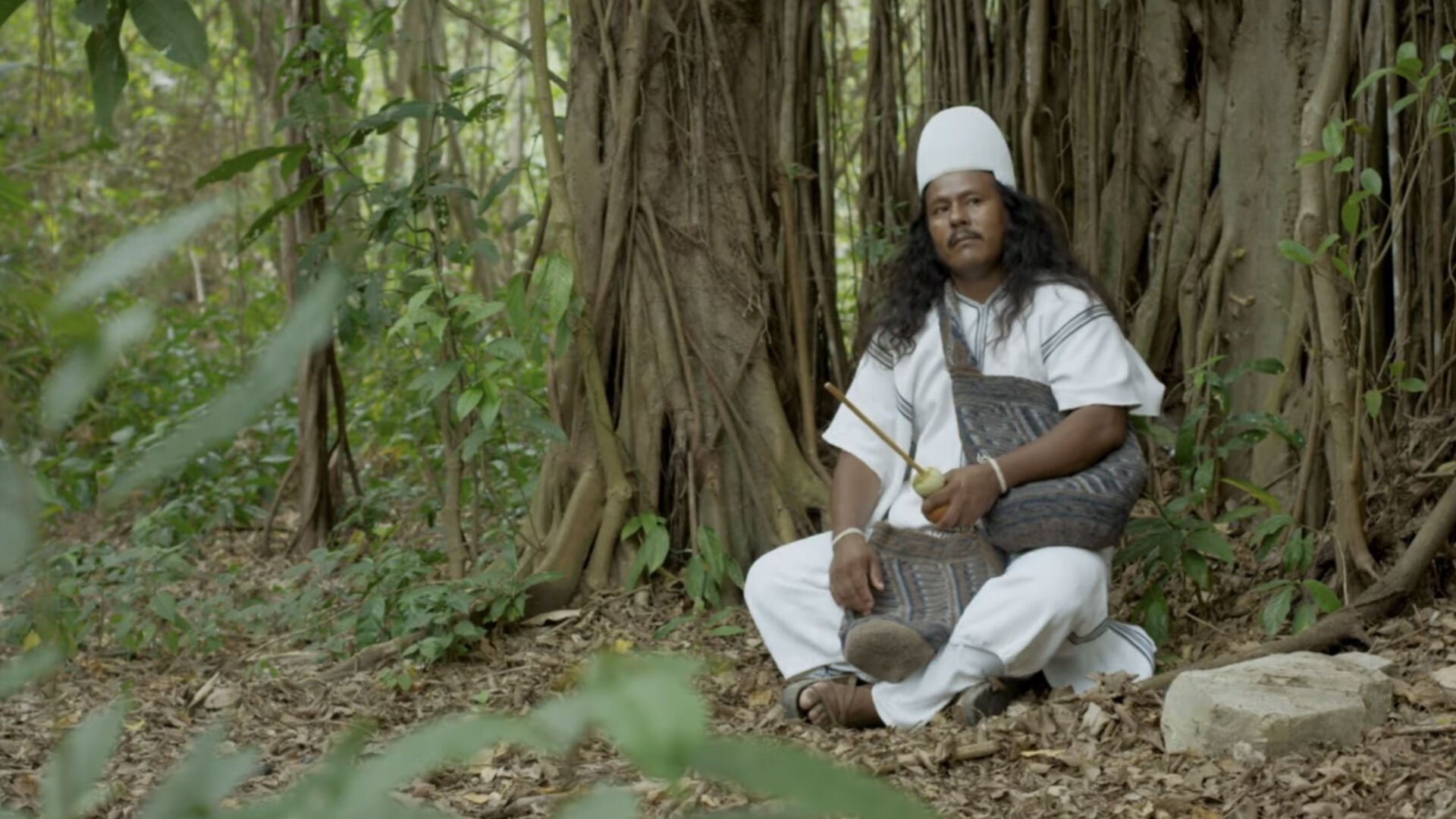
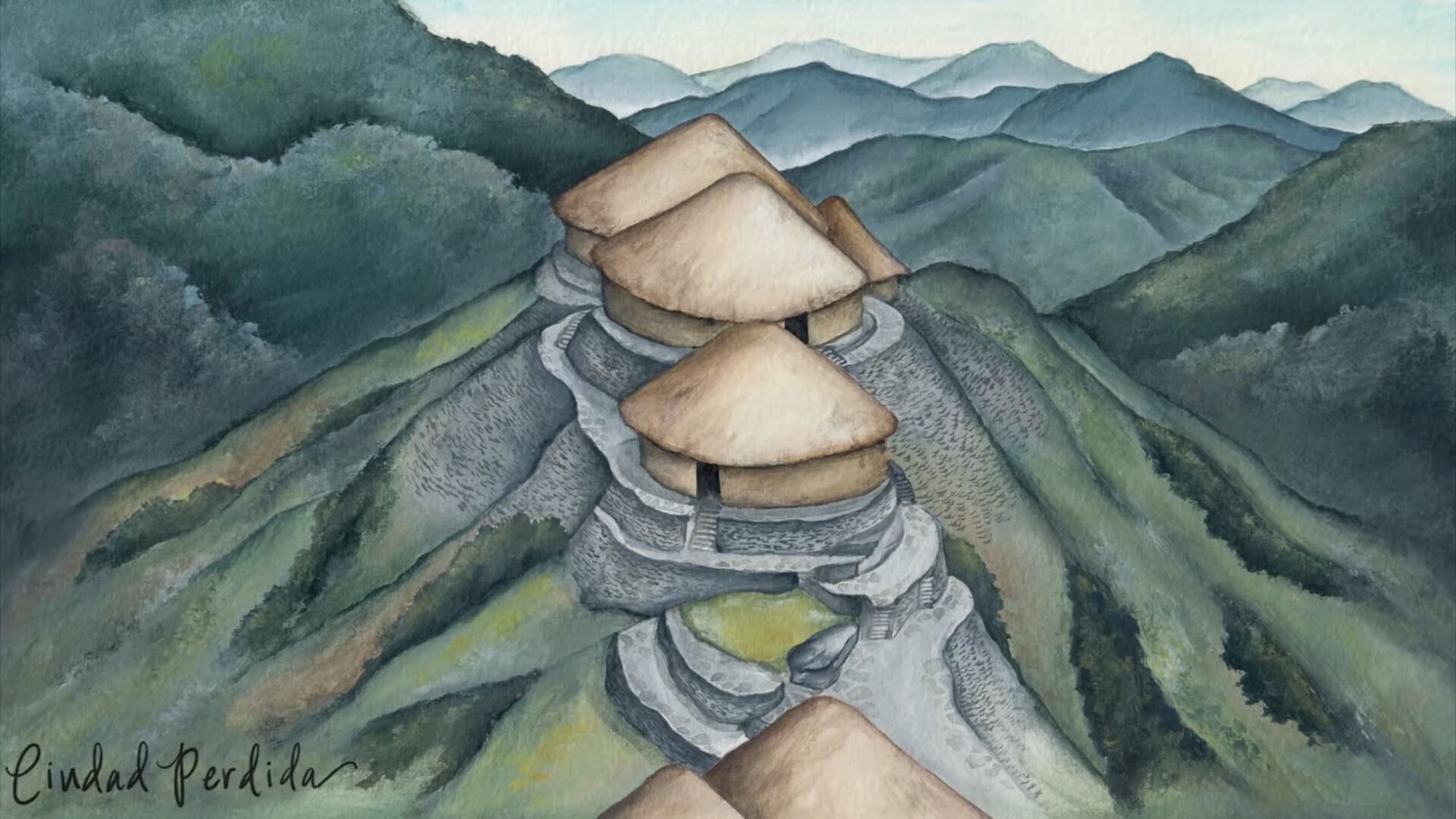
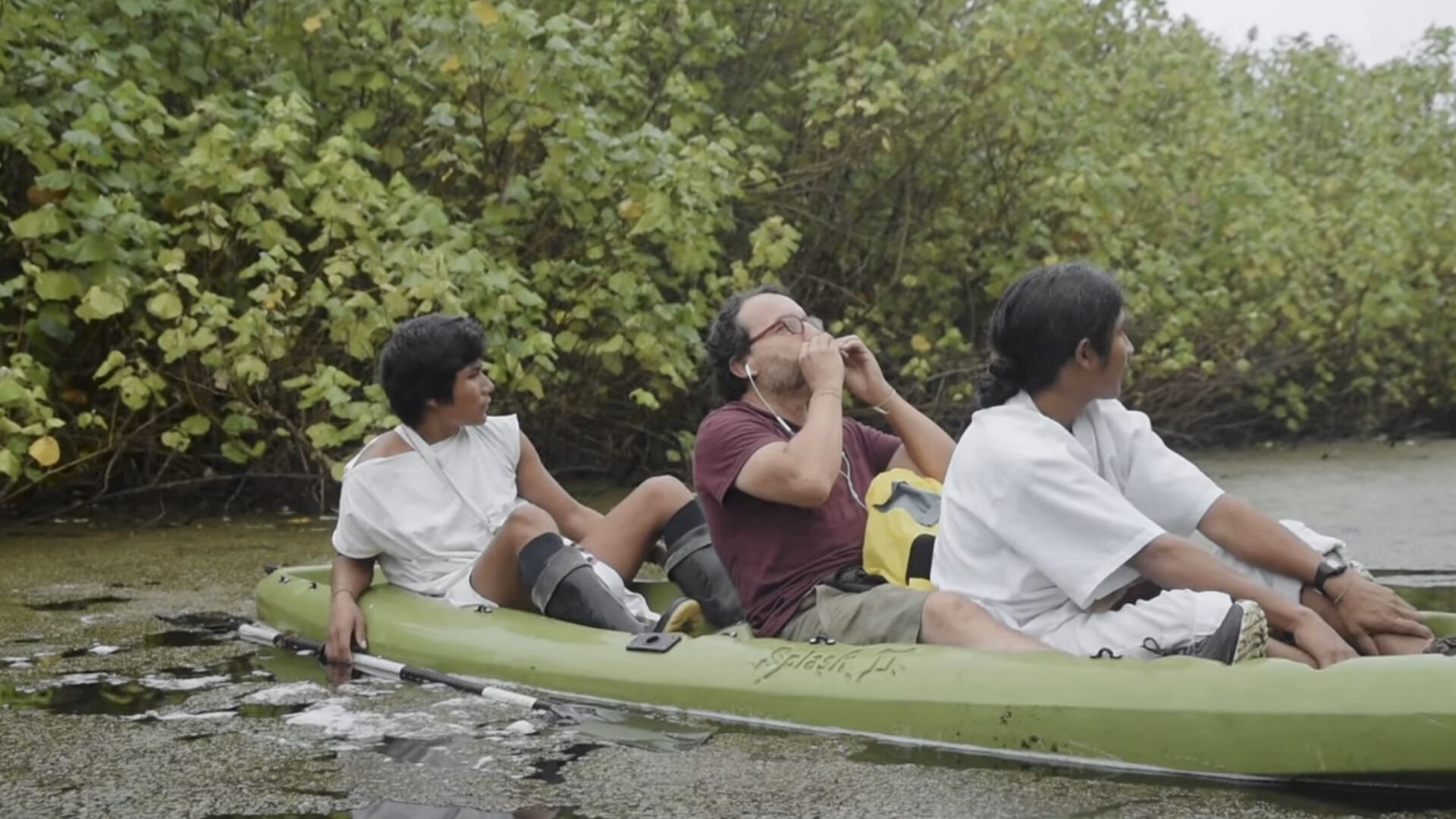
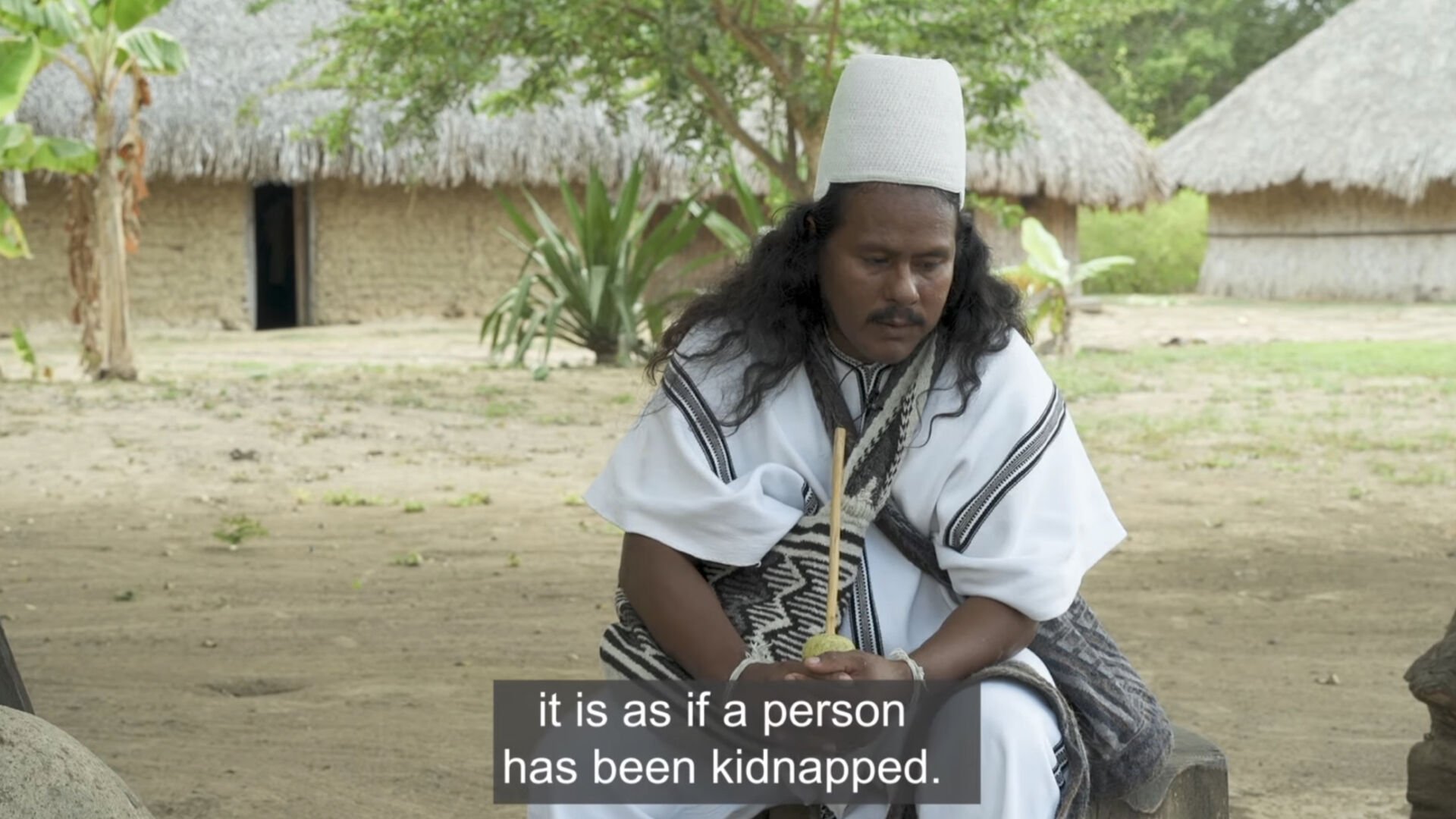
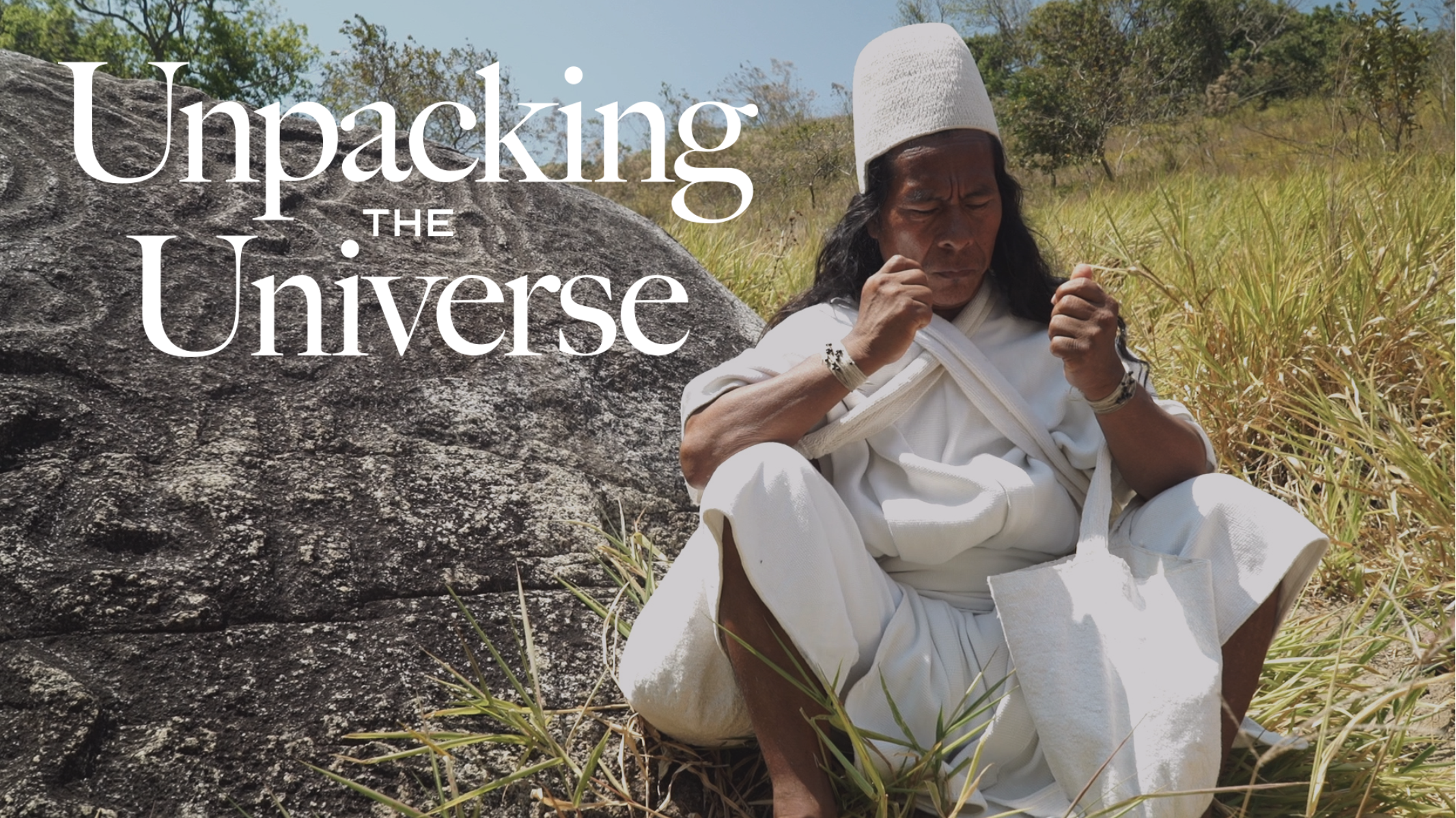
The episodes follow the LACMA curators traveling directly to Colombia—visiting locations like the Gold Museum in Bogotá and the archaeological site of Ciudad Perdida (the Lost City). A massive part of the series focuses on their collaborative relationship with indigenous leaders, specifically Mamo Camilo Izquierdo and Jaison Pérez Villafaña from the Arhuaco community of the Sierra Nevada de Santa Marta.
The curators don’t just ask for information; they allow the Arhuaco worldview to fundamentally guide:
The thematic arrangement of the exhibition (moving from "Conceiving the World" to "Caring for the World").
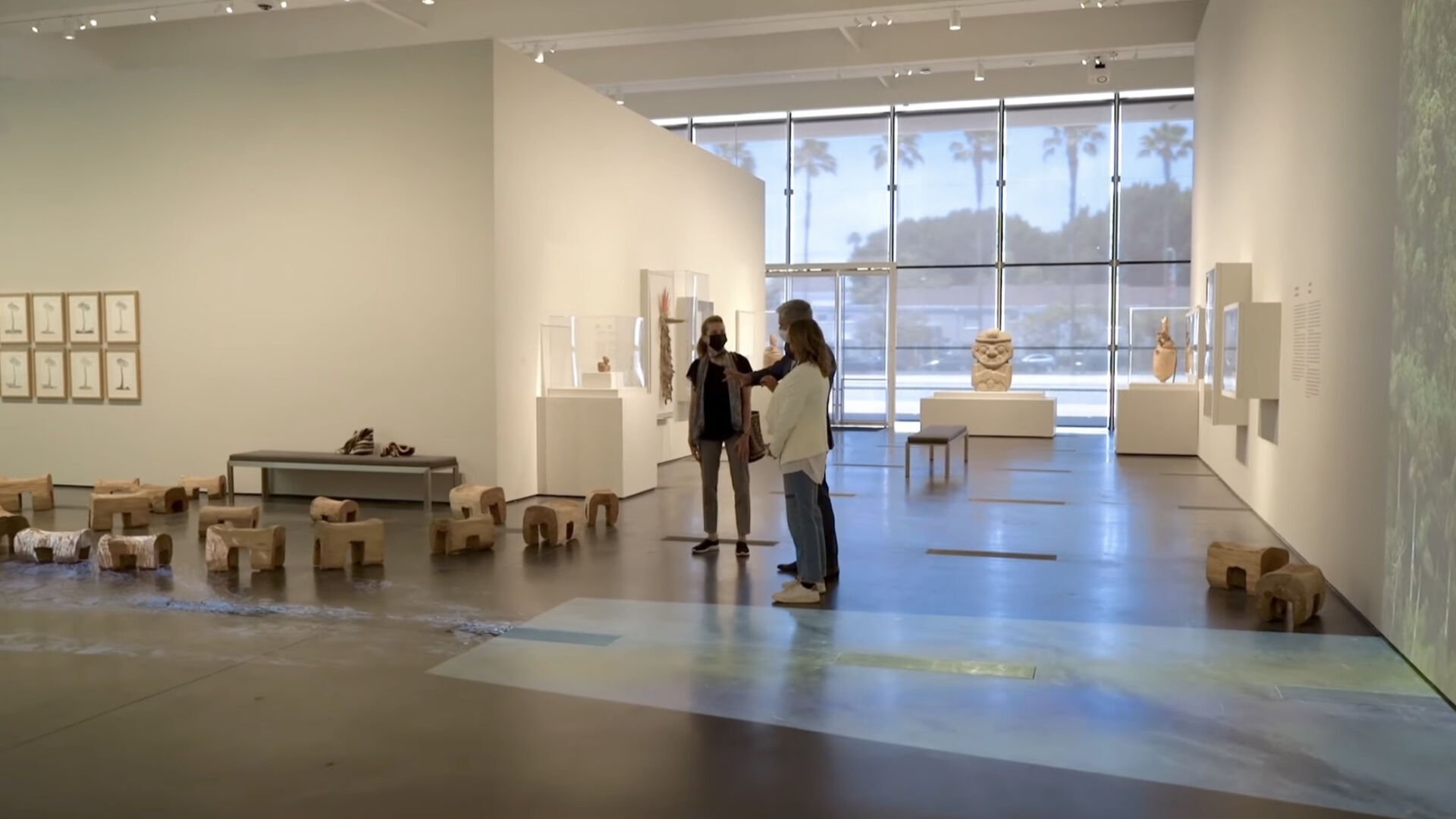
The actual design of the gallery space (including placing banquitos—wooden stools used by indigenous elders for meditation—throughout the exhibit for visitors).
The wording and perspective of the object labels.
3. Behind-the-Scenes Museum Stewardship
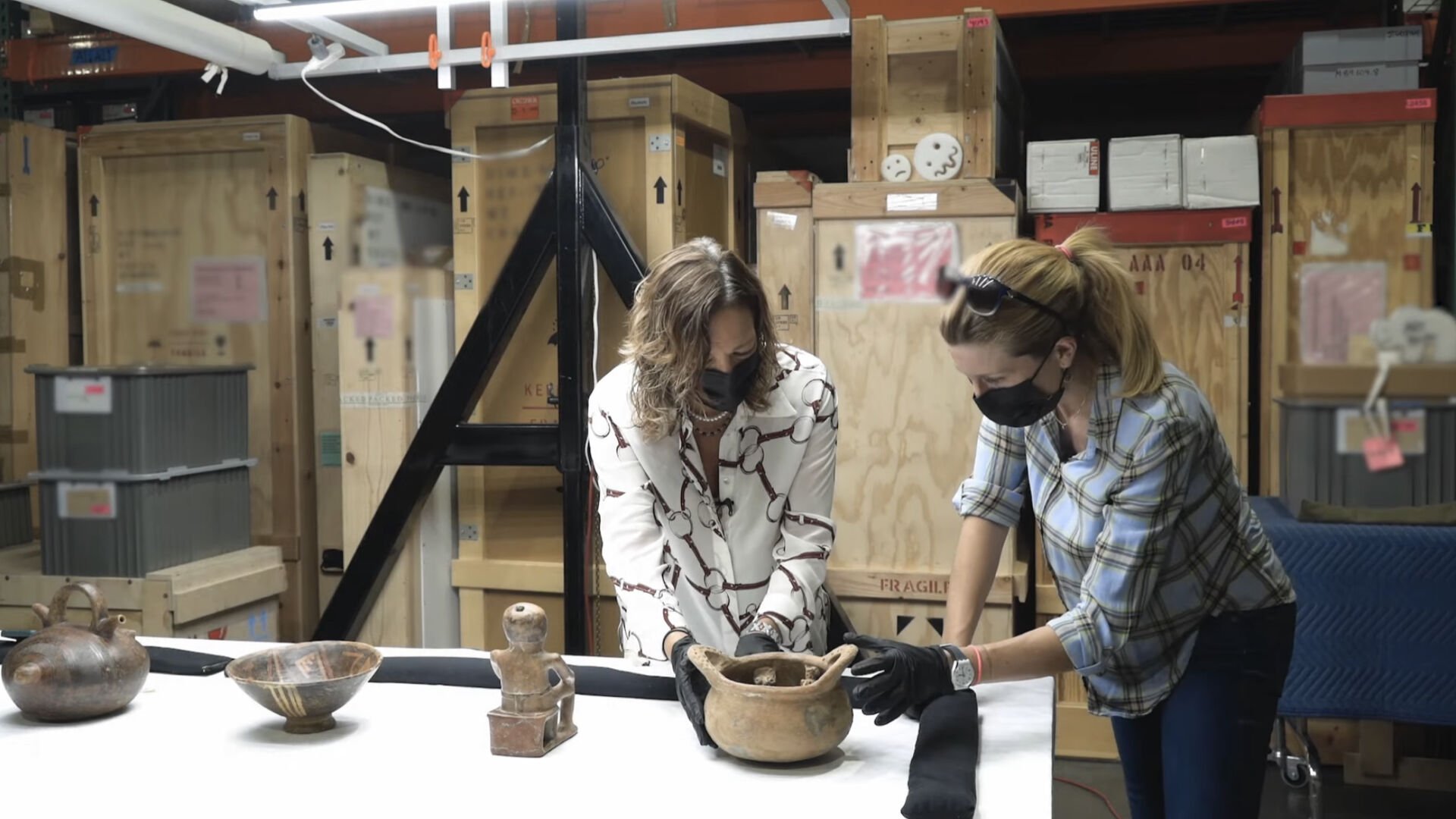
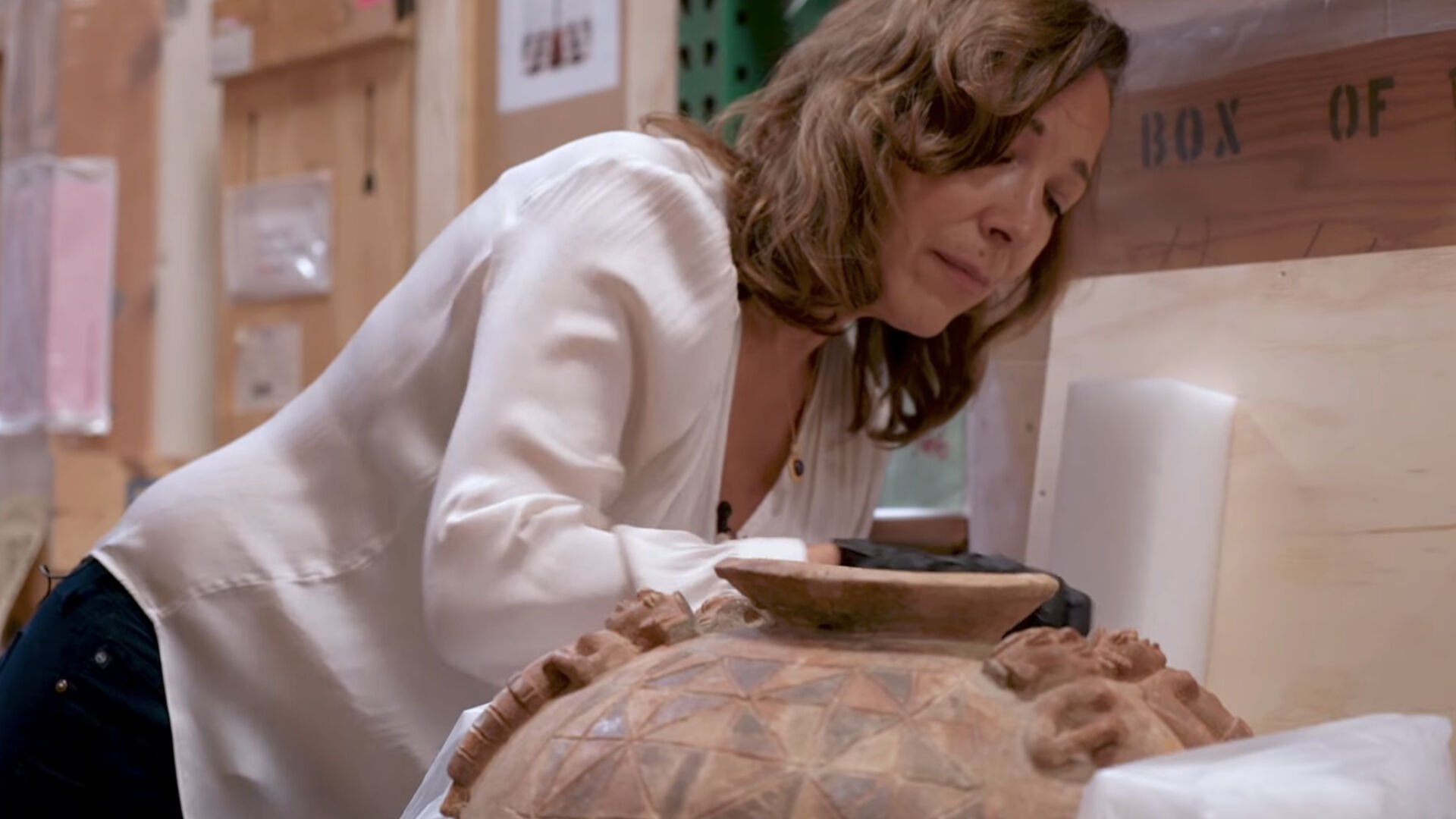
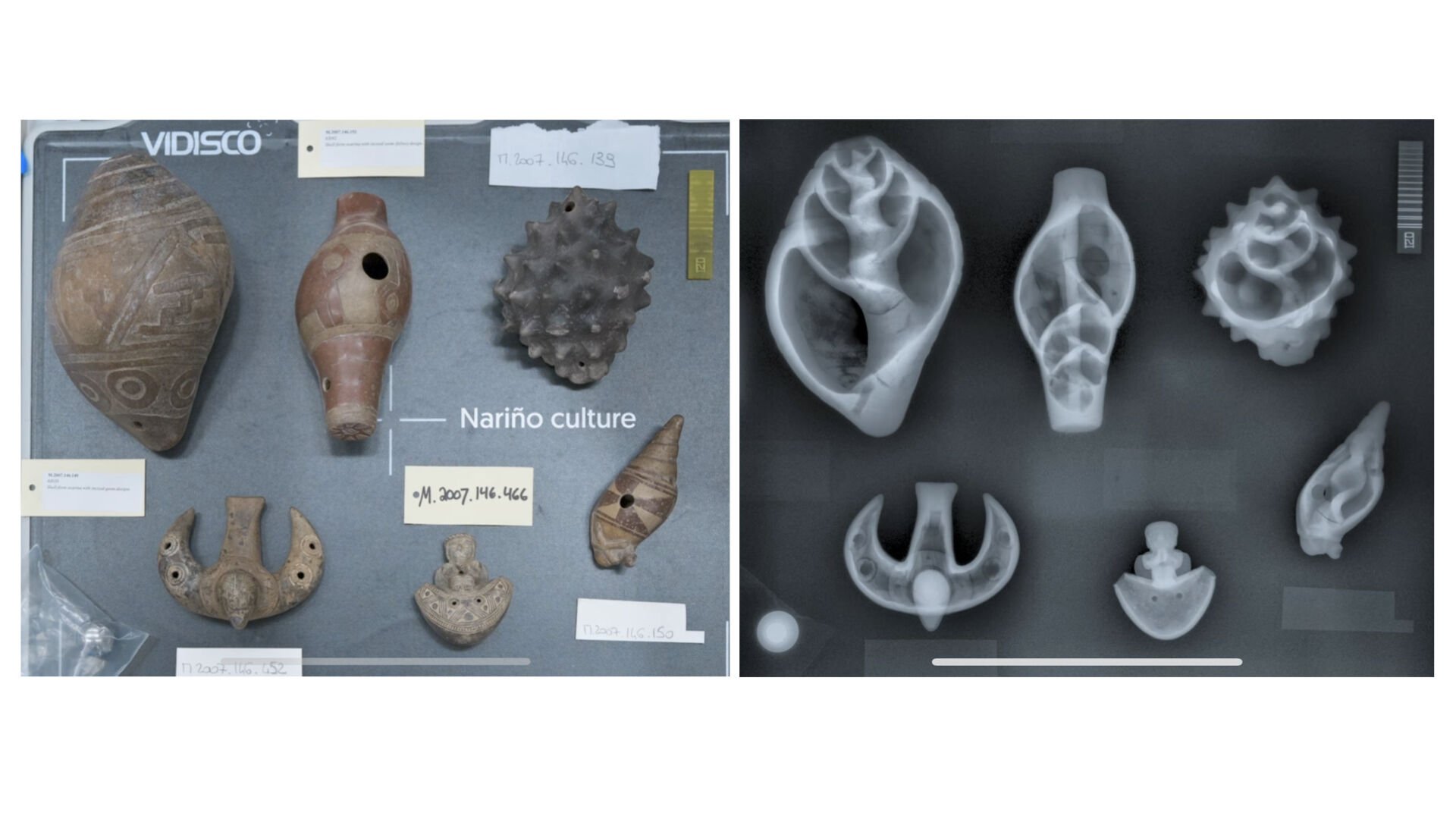
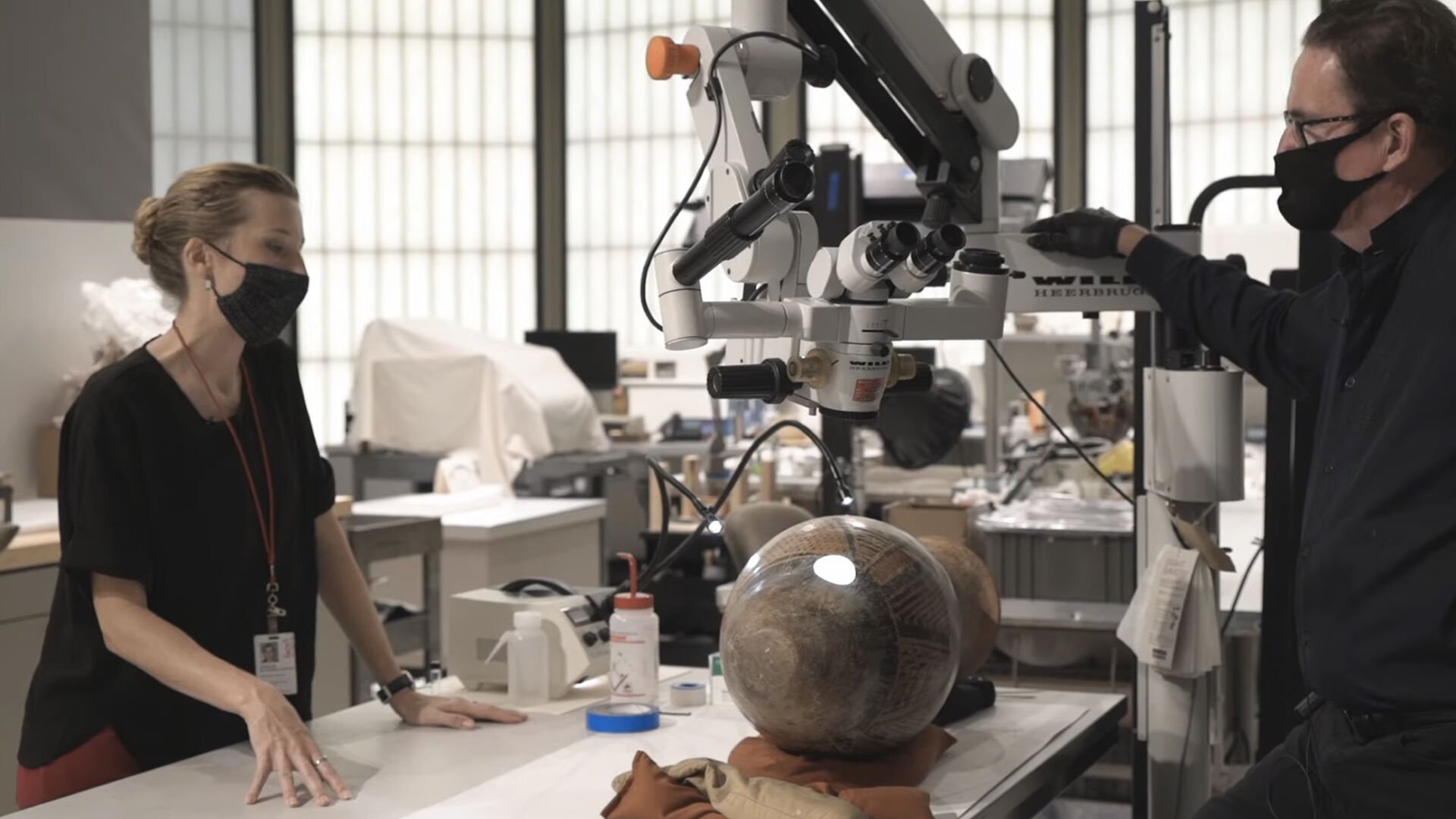
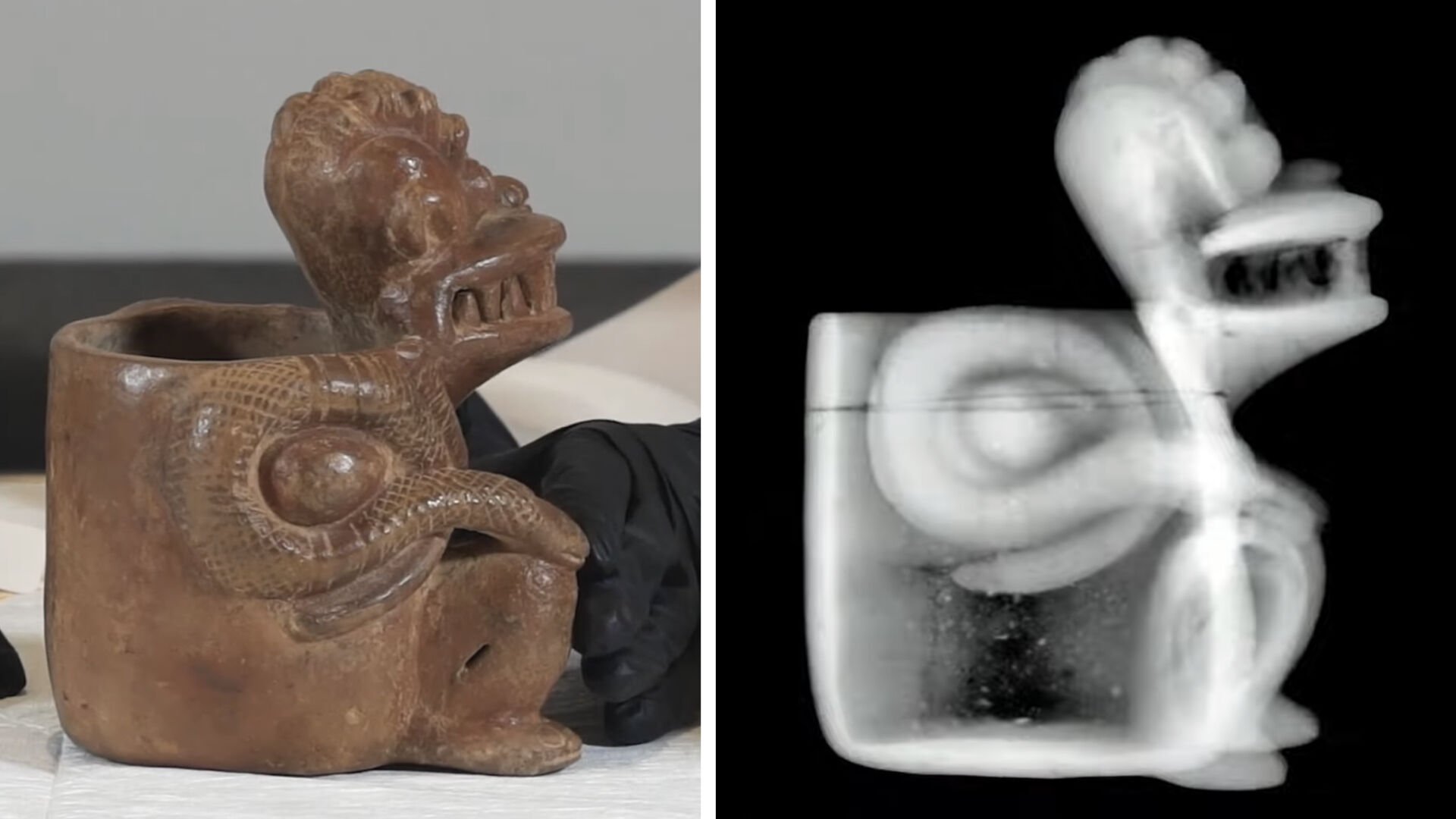
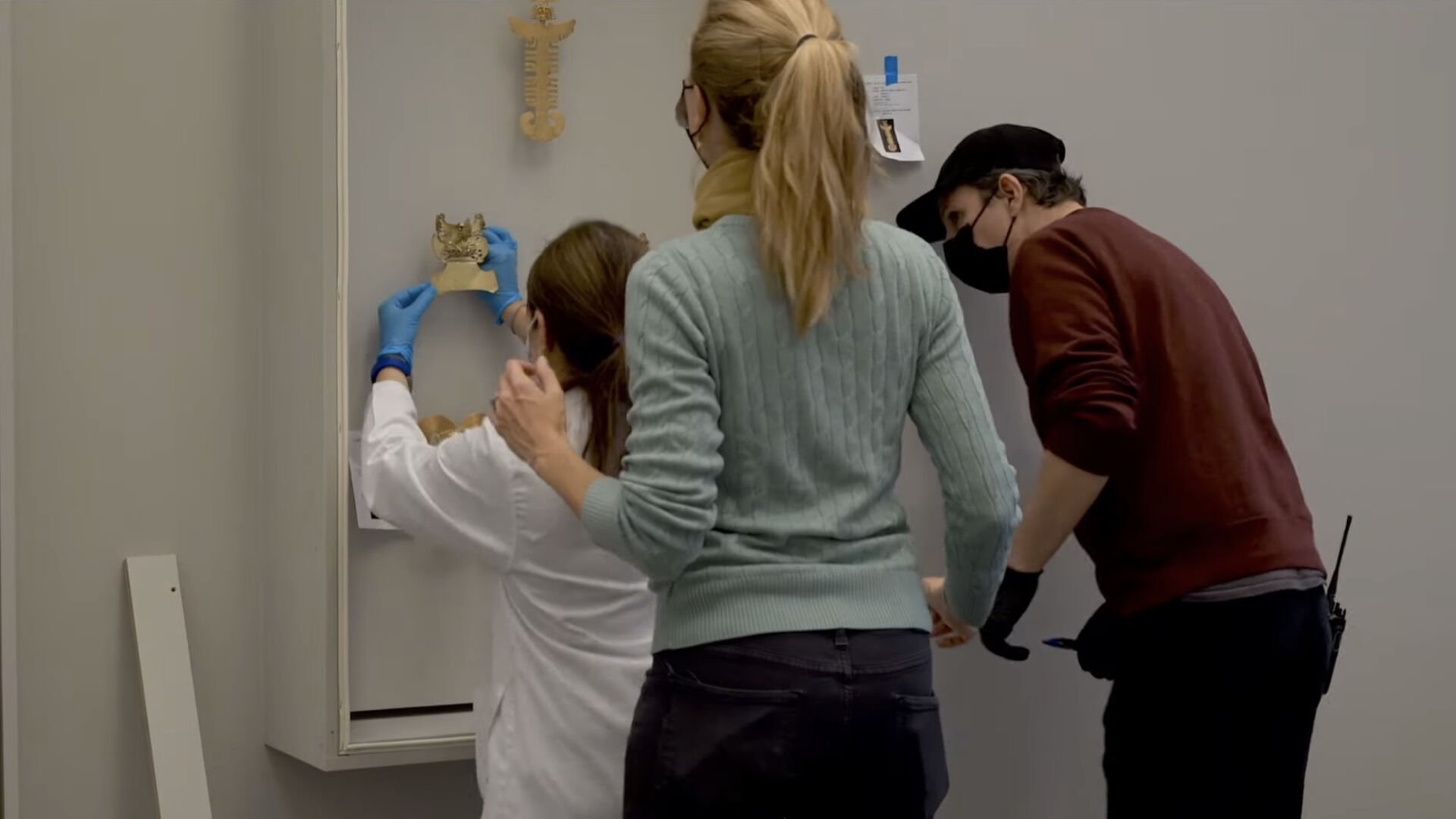
The later parts of the series pull back the curtain on the logistical and ethical complexities of bringing an international exhibition to life. It features behind-the-scenes footage of artifact preparation, conservation efforts, and new initiatives regarding how museums can practice respectful stewardship of Indigenous heritage.
4. Reciprocity and Real-World Impact
The series highlights a rare loop of mutual respect: in appreciation for their deep involvement, LACMA provided a grant to the Arhuaco community at Kūtūnsama. The series showcases how the community used this support to build a kankurwa (traditional ceremonial meeting houses), proving that the project's impact extended far beyond a temporary museum gallery.
I directed and produced this film for LACMA.